
the Code: Understanding SEO Algorithms
Introduction
In today’s digital age, getting noticed online is crucial for businesses and content creators alike. That’s where Search Engine Optimization (SEO) comes into play. In this beginner’s guide, we’ll walk you through the basics of SEO, breaking down the jargon and providing you with practical steps to enhance your online presence.
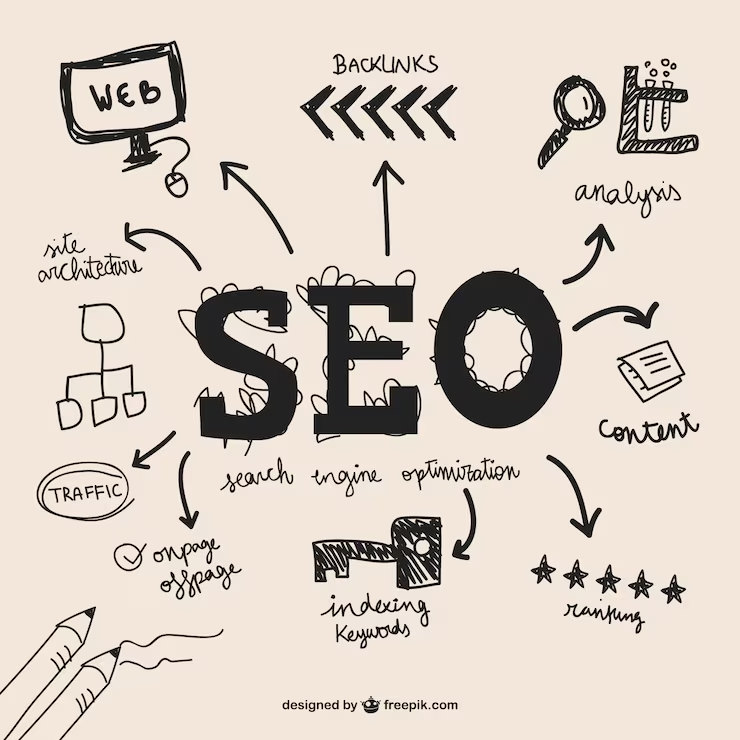
Search Engine Optimization (SEO) is a crucial element of digital marketing that helps websites rank higher on search engines and attract organic traffic. In a highly competitive online environment, simply having a website is not enough—you need visibility. SEO improves this visibility by optimizing your site for relevant keywords, enhancing content quality, and ensuring a seamless user experience. The three main pillars of SEO—on-page, off-page, and technical SEO—work together to strengthen your website’s performance. On-page SEO focuses on content, keywords, and structure; off-page SEO builds authority through backlinks and external signals; and technical SEO ensures your website is fast, secure, and easy for search engines to crawl and index.
A strong SEO strategy begins with effective keyword research and a well-planned content approach. Understanding what your audience is searching for allows you to create content that matches their intent, whether informational or transactional. High-quality, engaging, and regularly updated content plays a key role in improving rankings and keeping users on your site longer. Additionally, user experience (UX) has become an important ranking factor—fast-loading pages, mobile responsiveness, and easy navigation can significantly impact how visitors interact with your website. For businesses targeting specific regions, local SEO further enhances visibility by optimizing for location-based searches and improving credibility through reviews and accurate business information.
Link building is another essential aspect of SEO that significantly impacts your website’s authority and ranking. When reputable websites link back to your content, search engines interpret it as a sign of trust and credibility. Strategies such as guest blogging, influencer outreach, and creating shareable content can help generate quality backlinks. However, it’s important to focus on relevance and quality rather than quantity, as low-quality links can harm your rankings. Building a strong backlink profile takes time, but it plays a vital role in establishing your website as an industry authority.
Types of SEO
There are three main types of SEO, each targeting different aspects of search:
On-Page SEO: This type of SEO focuses on optimizing the content and elements within your website. It involves tasks like keyword optimization, meta descriptions, and optimizing images. On-page SEO ensures that your content is not only relevant but also well-structured and easily understandable to both users and search engines.
Off-Page SEO: Unlike on-page SEO, off-page SEO is about activities that take place outside of your website. It primarily revolves around building high-quality backlinks from reputable websites, social media engagement, and online reputation management. Off-page SEO signals to search engines that your content is trustworthy and valuable.
Technical SEO: This type of SEO involves optimizing the technical aspects of your website to make it easier for search engines to crawl and index your content. It includes tasks like ensuring your website loads quickly, is mobile-friendly, and has a clear site structure. Technical SEO is crucial for providing a seamless user experience and ensuring that search engines can easily understand your content.
Content diversification is also becoming increasingly important in modern SEO strategies. Incorporating different types of content—such as videos, infographics, podcasts, and interactive tools—can enhance user engagement and improve your chances of ranking across multiple search formats. Video content, in particular, is gaining popularity and can help capture audience attention more effectively than text alone. By repurposing blog content into various formats, you can reach a wider audience and strengthen your overall digital presence while improving dwell time and user interaction on your website.
Conclusion: Taking Your First Steps in SEO
Congratulations! You now have a foundational understanding of SEO. Remember, SEO is an ongoing process, and it’s important to stay up-to-date with industry trends and best practices. As you implement these strategies, be patient. SEO is not an overnight fix, but with dedication and consistent effort, you’ll see your online visibility improve over time. Keep creating valuable content, optimizing for relevant keywords, and building a network of quality backlinks. With these practices in place, you’re well on your way to mastering the art of SEO. Contact Adsgrowhub Get Your SEO Journey Started!

